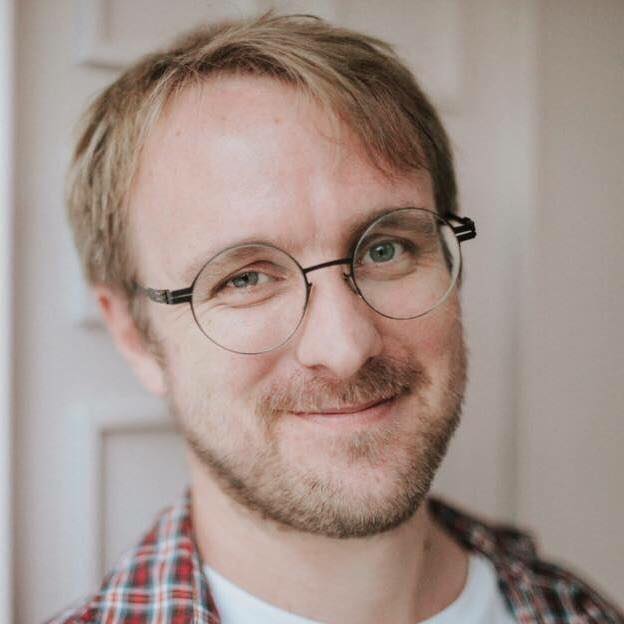
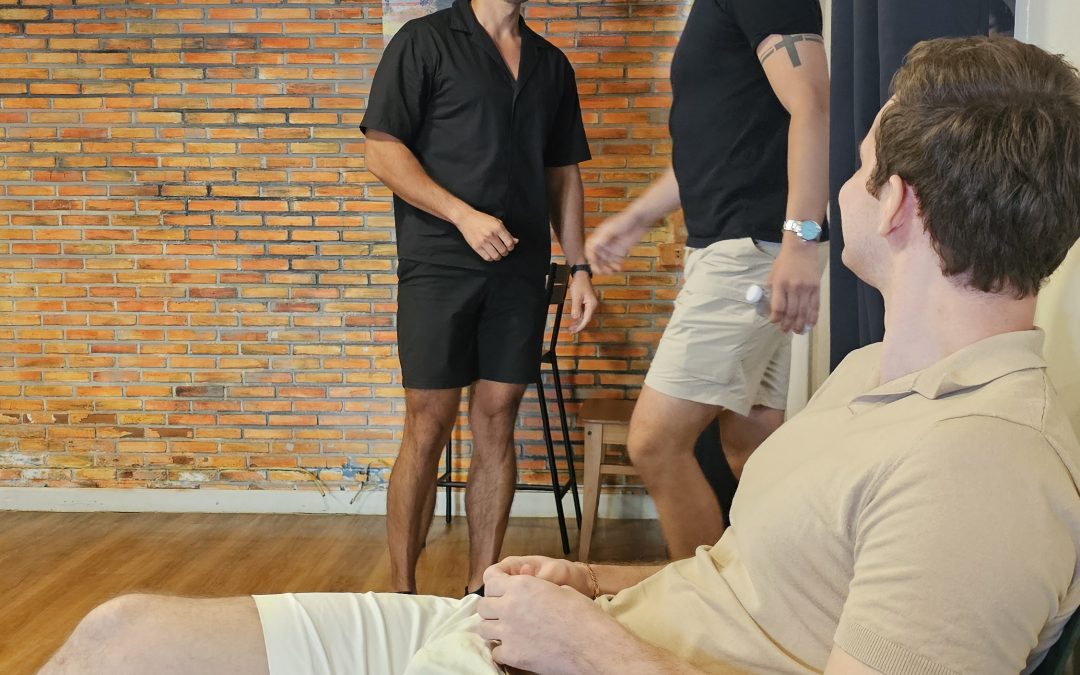
I started out as an actor. Theatre back in Aachen, then student films and small roles when I came to Bangkok more than 20 years ago. I still act today, and I love it.
But at some point I moved to the other side of the camera. I studied Directing for my master’s at Chulalongkorn University, and today I direct scenes, short films and series with actors almost every week.
Sitting behind the monitor changed how I see actors. Some things I used to believe as an actor turned out to be wrong. Here are the biggest lessons.
1. The director is on your side
As a young actor, I sometimes felt the director was a judge. Now I know: when you walk onto my set, I want you to be brilliant. Your success is my success. Every note I give is an attempt to help you, even when it doesn’t sound like it.
2. “Good acting” is not enough
As an actor, I thought my job was to give the best performance. As a director, I see that my job is to tell the best story. Sometimes a beautiful, emotional performance is wrong for the scene. The actors I love working with understand that they serve the story, not their own showreel.
3. Options are gold
In the edit, I need choices. An actor who can play a moment three different ways, each one truthful, gives me a film. An actor who can only play it one way, however well, ties my hands. Flexibility is not a lack of conviction. It is professionalism.
4. Listening is the whole job
From behind the monitor, you see it immediately: some actors are waiting for their cue, and some are actually listening. The listening ones are alive on screen. The waiting ones look like they are acting. I didn’t fully understand this until I watched it from the outside, take after take.
5. Consistency is invisible, until it’s missing
As an actor, I never thought much about continuity. As a director, I know that if you pick up the glass with your left hand in the wide shot and your right hand in the close-up, I may lose the best take. The actors who repeat their actions precisely make my life, and the editor’s, much easier.
6. Attitude is casting
When two actors are equally good, I cast the one I want to spend a 14-hour day with. Kindness to the crew, patience with delays, humour when things go wrong: none of it shows on screen, and all of it matters.
What I tell my students now
Everything above is now part of how I teach at MasterClass Studio. I want actors to understand the whole set, not just their part of it. Because the actors who understand what the director needs are the ones who get called back.
And I keep acting myself. Being directed by others keeps me humble, and reminds me how vulnerable it feels to stand in front of the lens.
Want to work with me as a director or coach? Book a free consultation.